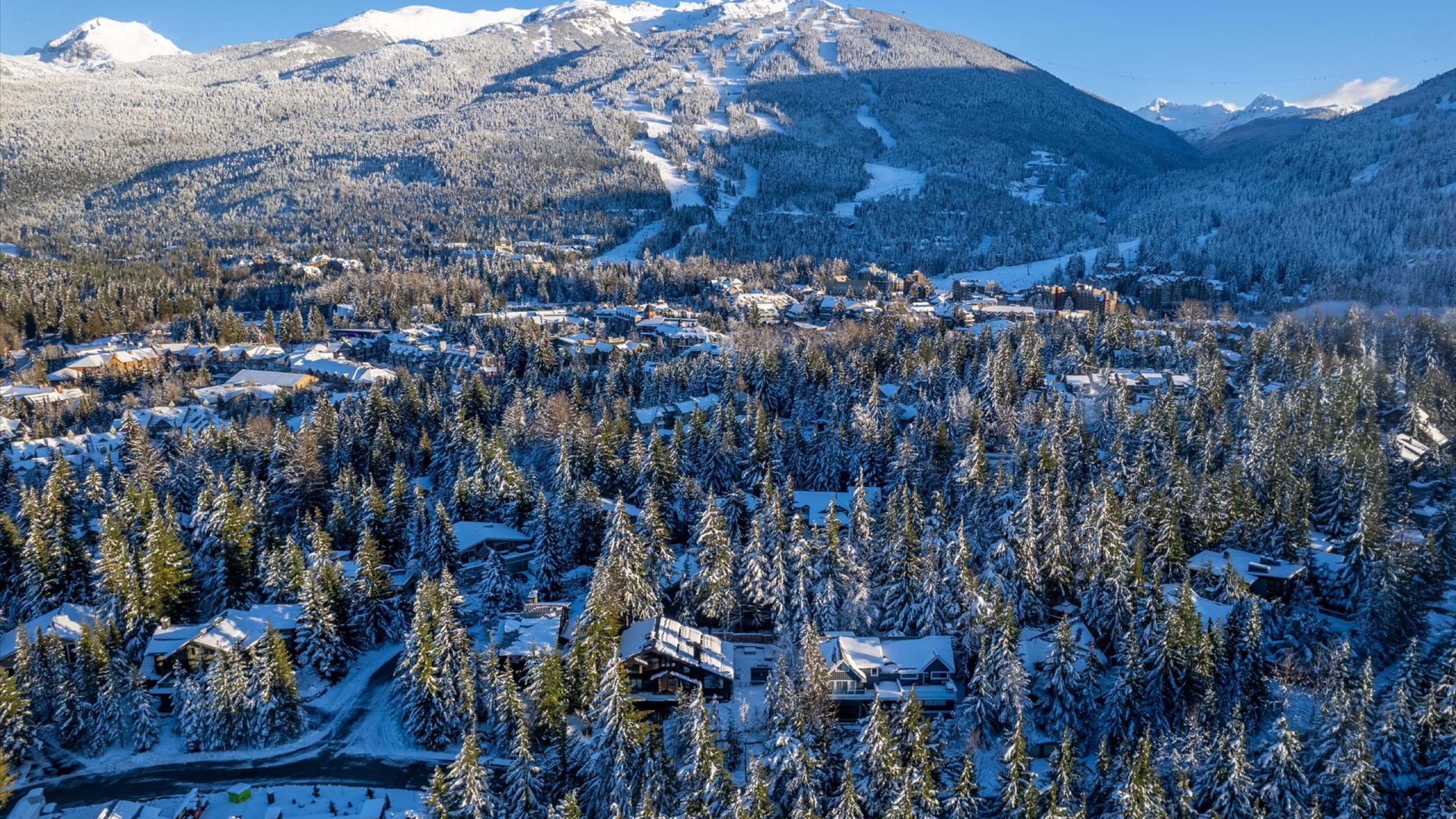
Most real estate guides are written like insurance policies. This one isn't. It's the handbook I wish every client had before our first coffee — what actually happens, who does what, what the words mean, and how to feel at home in the process before you're at home in the house. Take what's useful, skip what isn't, and bring your questions to me anytime.
— Allira
Why Use an Agent at All?
Fair question — the internet shows you every listing, so what's the agent for? Honestly: the listings were never the hard part.
For buyers, my help usually costs you nothing. In a typical BC transaction, the seller's brokerage shares its commission with the buyer's agent — so you get representation, negotiation and paperwork handled without writing me a cheque. There's rarely a good reason to walk into the biggest purchase of your life unrepresented.
What you're actually getting:
- Someone legally on your side. BC agents owe their clients defined duties — loyalty, confidentiality, disclosure, acting in your best interest. The listing agent works for the seller; you deserve someone working for you.
- The local layer. In Whistler, the difference between two similar condos can be a covenant, a strata's contingency fund, or a building's snow-shed quirk. I read these documents every week; most buyers see them once in a lifetime.
- Negotiation without the emotion. You should never negotiate for something you've fallen in love with. That's my job — calm, prepared, and unbothered.
- A steady hand on the timeline. Deposits, subject deadlines, document requests, lawyer handoffs — the process has a rhythm, and missing a beat can cost real money. I keep the beat.
- The network. Brokers, inspectors, lawyers, trades, property managers — years of knowing who actually calls back.
And when something isn't right for you, a good agent says so. I'd rather talk you out of the wrong property than into it — that's how clients become clients for life.
Meet Your Team
Buying or selling well is a team sport. Here's everyone on the bench and what they do:
- Your realtor (me): strategy, search or marketing, negotiation, paperwork quarterback, and translator of everything below.
- Mortgage broker: shops multiple lenders for your best rate and terms — usually paid by the lender, not you. In Whistler, one who knows which buildings finance cleanly is gold.
- Lawyer or notary: handles the legal transfer — title, mortgage registration, adjustments, keys. Budget roughly $1,500–$3,000.
- Home inspector: your independent set of expert eyes. A few hundred dollars for a report that can save you tens of thousands.
- Accountant: essential for rental properties, capital gains questions, GST, and anyone non-resident.
- Insurance broker: homeowner or strata-contents coverage needs to be in place for completion day — sooner than most people think.
You don't need to find these people. I'll introduce you to ones I trust, and you're always free to use your own.
The Buying Process, Step by Step
Here's the whole journey, in the order it actually happens:
1. The conversation. Goals, budget, timeline, how you'll use the property. Twenty minutes here saves twenty showings later.
2. Pre-approval. A broker confirms what you can borrow — your real number, not your guess. This also makes your eventual offer meaningfully stronger.
3. The search. We shortlist, we view, I flag what you can't see in photos — including the strata gossip and the afternoon sun.
4. The offer. In BC this is the Contract of Purchase and Sale. Together we decide price, deposit, dates, and — critically — your subjects (see below). The seller accepts, rejects, or counters; we may go back and forth. This is normal, not personal.
5. The subject period (usually 1–2 weeks). "Subject to" clauses are conditions that must be satisfied before the deal firms up — your safety net while you do homework:
- Subject to financing — your lender formally approves this property.
- Subject to inspection — a professional inspects; findings can lead to renegotiation, repairs, or walking away.
- Subject to strata document review — for condos/townhomes: minutes, bylaws, finances, depreciation report. In Whistler this is where covenants and rental rules get verified. Never skip it.
- Subject to title review — your lawyer confirms what's registered against the property (including those Phase covenants).
6. Subject removal. Homework done and happy? You sign to remove subjects, and the deal becomes firm and binding. Your deposit (commonly ~5% here) is paid into trust at this point — it later counts toward your purchase.
7. Between firm and completion. Your lawyer prepares the transfer; you arrange insurance and finalize your mortgage. Mostly quiet — the good kind.
8. Completion day. Money and title change hands at the lawyers' offices. You don't attend a ceremony; you get a phone call.
9. Possession day. Usually a day or two later — you get the keys. This one deserves the champagne.
A realistic timeline: offer to keys commonly runs 30–90 days, mostly driven by the dates both sides choose. Fast is possible; unhurried is usually better.
Getting Your House Ready to Sell
You don't need a renovation to sell well. You need honesty about what buyers will see — and two or three weekends of smart effort. Here's my walk-through list, roughly in order of return on effort:
The easy value wins (do these):
- Declutter and depersonalize. Family photos, fridge art, collections, the gear wall — pack them now (you're moving anyway). Buyers need to imagine their life here, and they can't do it around yours. This is the single highest-impact free improvement in real estate.
- Deep clean like a hotel turnover. Windows, baseboards, grout, light fixtures, inside the oven. A spotless home reads as a maintained home — buyers extend that trust to everything they can't see.
- Paint the rooms that need it. Fresh, neutral paint is the cheapest transformation money buys. That accent wall you loved in 2019? Buyers won't.
- Let there be light. Every bulb working, same colour temperature, blinds open for showings. Dark rooms shrink; bright rooms sell.
- First 30 seconds: the entry sets the tone — clear the boot pile, mat down, door hardware tightened, walkway shovelled or swept.
The pre-inspection sweep (cheap fixes that look expensive when a buyer's inspector finds them):
- Replace smoke and CO alarm batteries — or the units themselves if they're past their date (they're stamped). An inspector will test them.
- Fix the drips: taps, running toilets, slow drains, the caulking around tubs and sinks.
- Tighten the wobbles: handrails, cabinet doors, loose outlet covers, sticky doors.
- Service the furnace / clean the fireplace — and keep the receipt where buyers can see it.
- Clear gutters, check for obvious roof/flashing issues, make sure the crawlspace isn't storing surprises.
- Whistler extra: show your snow story — where it sheds, where it's stored, that heat tape works. Local buyers look.
A small repair found by you costs a service call. The same repair found by their inspector costs a renegotiation.
Staging — optional, honestly appraised. Full professional staging can genuinely pay for itself in vacant or dated homes — and be unnecessary in a well-kept, well-furnished one. Often the right dose is partial: rearranging what you own, removing a third of it, and renting a few key pieces. I'll tell you plainly which category your home is in, and I have stagers I trust when it's worth it.
And before any of it — talk to me first. I've watched sellers spend $15,000 on the wrong upgrades. The point of this list is that most of what matters costs under $500.
Whistler's Neighbourhoods — A Local's Tour
Every pocket of this valley lives differently. The honest tour, south to north:
Function Junction / Cheakamus Crossing — Whistler's workshop-turned-cool. Breweries, makers, trailheads, and the valley's relatively attainable ownership. Cheakamus keeps growing with newer builds and legal-suite potential. For: first buyers, locals, anyone who likes their Whistler a little less polished.
Creekside — the original 1966 base, quietly becoming the connoisseur's choice. Its own gondola, lakes at your doorstep (Alpha, Nita), groceries, and a real year-round community without Village bustle. For: families, skiers who hate lift lines, buyers wanting Village access without Village pace.
Nordic & Blueberry — the leafy middle. Established, quiet, minutes to everything, with valley views from the Blueberry bench. Homes here hold value across cycles for a reason. For: families and long-haul owners.
Alta Vista — lake life. Between Alta Lake and the Valley Trail, summer here is the postcard. For: paddleboard people.
Whistler Village & Village North — the beating heart. Walk to both mountains, every restaurant, and the après. Village North adds the practical layer (Marketplace groceries). Ownership here is mostly condos, largely covenanted for nightly rental — which is exactly the opportunity if income matters to you. For: lock-and-leave weekenders, rental investors, anyone who wants Whistler at full volume.
The Benchlands & Blackcomb — the ski-in/ski-out address. Rising up Blackcomb above the Village: the Chateau, the Upper Village, and true ski-access properties where the run home is the commute. A mix of premium covenanted condos, townhomes and estates — quieter than the Village, closer to the snow. For: skiers first, buyers who'll pay for the walk-to-lift (or ski-to-door) life, and rental owners whose guests want exactly that.
Alpine Meadows & Emerald — the local north. Bigger lots, established trees, Green Lake views up Emerald way, and the neighbourly feel of people who live here all year. Meadow Park rec centre anchors it. For: full-timers and families putting down roots.
Rainbow & Baxter Creek — the newer north. Modern family builds, many with suites, mountain views across the valley. For: families wanting newer construction with mortgage-helper potential.
WedgeWoods & beyond — estate acreages ten minutes north; then Pemberton, a genuine farm-and-mountain town twenty-five minutes on, where budgets breathe and horses are a normal backyard feature. For: space seekers.
(Which one fits you usually reveals itself in one honest conversation about how you'll actually live here. That's my favourite conversation.)
The Unintimidating Glossary
The words agents forget they're using — translated:
- Appraisal — the lender's independent opinion of the property's value, to confirm they're not lending more than it's worth. Not the same as an inspection.
- Assessed value — BC Assessment's number for property-tax purposes. Useful context; rarely the market price.
- Completion vs. possession — completion is when money and title legally change hands; possession is when you get keys. Usually a day or two apart.
- Contingency Reserve Fund (CRF) — the strata's savings account for future repairs. Healthy CRF = fewer surprise bills.
- Covenant — a rule registered on a property's title that travels with it forever. In Whistler, Phase 1 and Phase 2 rental covenants are the famous ones.
- Deposit — your good-faith money (commonly ~5% here), paid into trust when the deal firms up. It's part of your purchase price, not extra.
- Depreciation report — the strata's engineering forecast of what will need fixing and when. Read it like a weather report for your wallet.
- Firm deal — what your accepted offer becomes once subjects are removed. Binding on both sides.
- Fixed vs. variable — mortgage rate that stays put vs. one that moves with the Bank of Canada. Brokers earn their keep here.
- GST — 5% federal tax that applies to new builds and some nightly-rental properties. In Whistler we check it on every purchase, early.
- MLS — the shared listing system realtors use; what the public sites are drinking from.
- Phase 1 / Phase 2 — Whistler's rental-use covenants. Short version: Phase 1 = use it as much as you like and rent nightly if you want; Phase 2 = hotel-style, your stays limited, rental automatic. (We have a whole guide on this one.)
- Pre-approval — a lender's conditional yes, in writing, before you shop. Your real budget.
- Property Transfer Tax (PTT) — BC's one-time tax on purchase, roughly 1–3%+ depending on price. First-time buyers may be exempt.
- Strata — BC's word for a condo/townhome corporation: shared ownership of common property, monthly fees, bylaws, and an annual meeting with surprisingly good drama.
- Subjects (conditions) — the "only if" clauses in your offer — financing, inspection, documents. Your homework period, your protection.
- Title — the legal record of who owns a property and what's registered against it (mortgages, covenants, easements). Your lawyer's first stop.
- Zoning — the municipality's rules for what a property can be used for. In Whistler, it works alongside covenants — and both matter.
No question about any of these is too basic. The only expensive questions are the unasked ones.
Five Mistakes I Watch People Make (So You Don't)
- Shopping before pre-approval — falling for a home $200k above the real budget poisons everything you can actually afford.
- Skipping the strata documents because the building "looks fine." The minutes know things the lobby doesn't.
- Assuming the listing's covenant claim is correct. Verify on title. Ten minutes. Every time.
- Renovating to sell without asking first. The $15k bathroom rarely returns $15k; the $400 paint-and-lightbulbs sweep almost always does.
- Negotiating emotionally — overpaying out of fear, or losing the right home over a $5k stare-down. A steady third party is the fix (hello).
The Whistler Seasons — When to Buy, When to Sell
The valley's market breathes with the tourism calendar. Broad strokes: winter showcases ski properties at their most desirable (and busiest); spring brings listings out with the snowmelt; summer shows off patios, lakes and family homes; fall is the quiet strategist's window before the season turns. The right timing depends on your property type and your life — a ski-in condo and an Alpine family home have different perfect moments. That's a conversation, not a rule.
After the Keys — Your First Weeks Checklist
- Utilities and internet transferred; strata move-in booked (elevators here get reserved!)
- Home insurance active from completion day (your lawyer will insist — rightly)
- Mail forwarding, driver's licence, banking address updates
- Locate: main water shutoff, electrical panel, water heater age
- Whistler specifics: bear-smart from day one — garbage and recycling go to secured disposal, never outside; program the RMOW waste depot into your maps; and if it's winter, learn your roof's snow-shed zones before you park under them
- Property tax and (if applicable) speculation-tax declaration dates in your calendar — Whistler's exempt from the spec tax, but declarations may still apply elsewhere you own
- Meet the neighbours. In this valley, they're half the value.
Keep Learning — Where to Go Deeper
This handbook is the overview. When a section here sparks a "tell me more":
From our guide library (all available at alliraking.ca — or ask me for a copy):
- First-time buyer? The FHSA, RRSP Home Buyers' Plan, PTT exemptions and down-payment math are covered properly — with official links — in our First-Time Buyer's Guide.
- Phase 1 vs. Phase 2 got two paragraphs here and deserves twenty — our dedicated guide covers stay limits, what's covered, financing quirks, and who each suits.
- The complete process, both directions — The Whistler Buyer & Seller Guide is the fuller companion to the steps outlined here, including selling costs and taxes.
Official sources worth bookmarking:
- Homebuying from every angle — CMHC and Canada.ca: Buying a home
- BC Property Transfer Tax — gov.bc.ca
- Real estate consumer protection in BC — BCFSA
- Municipal info, zoning and bear-smart living — whistler.ca
What's Next?
Wherever you are in the journey — idle curiosity, active search, or a home you're thinking of listing — the next step is the same easy one: a conversation. No pressure, no obligation, and I promise not to use a single term from the glossary without translating it.
- Thinking of buying? Let's talk about how you'll actually use a place here — the right property falls out of that conversation naturally.
- Thinking of selling? I'll walk your home with you and give you the honest version: what it's worth, what's worth doing, and what isn't.
- Just researching? Ask for my other guides — First-Time Buyers, Phase 1 vs. Phase 2, and the full Buyer & Seller Guide — or follow along @alliraking.
Allira King · Angell Hasman & Associates Realty Ltd. 604 902 6070 · allira@alliraking.ca · alliraking.ca · @alliraking
This handbook is general information, not legal, tax, lending or investment advice. Details and figures are 2026 approximations that vary by transaction and change over time — always confirm specifics with your own professionals.